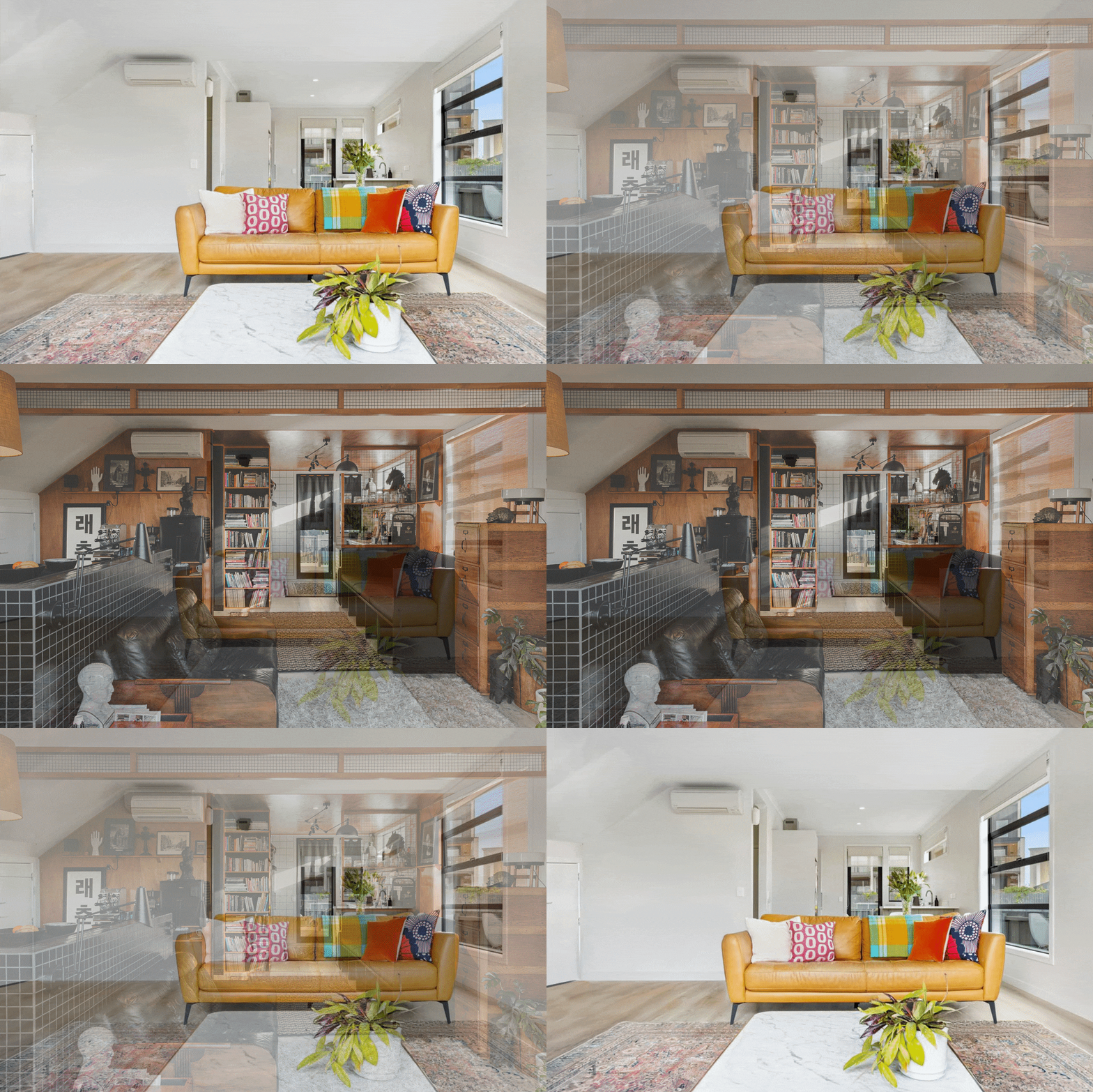
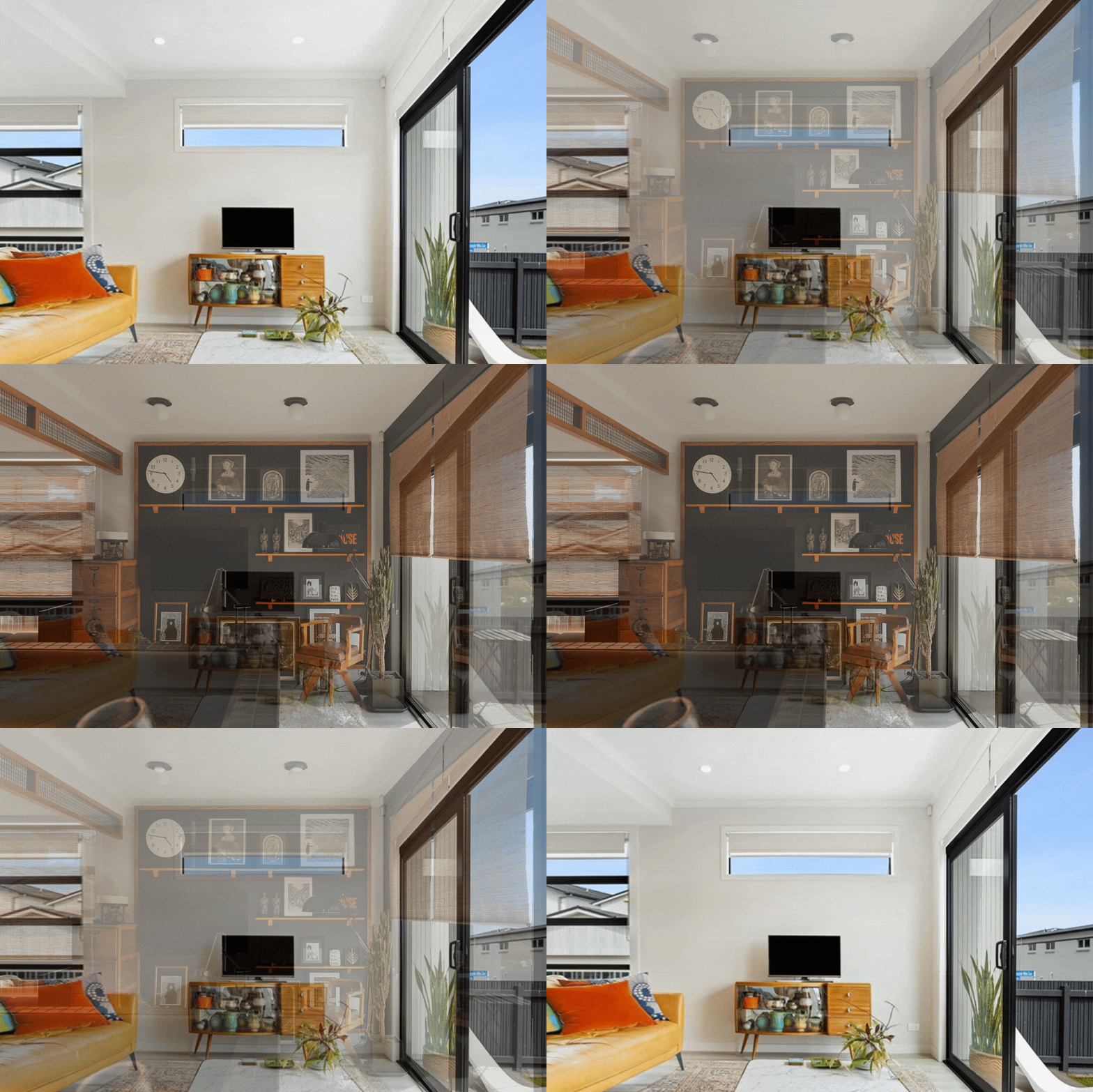
New Zealand’s new-build townhouses are neutral, minimal, and easy to sell. White walls, open plans, compact kitchens, and limited storage. They're adequate, but feel rather unfinished in real life. This project began as a response to that.
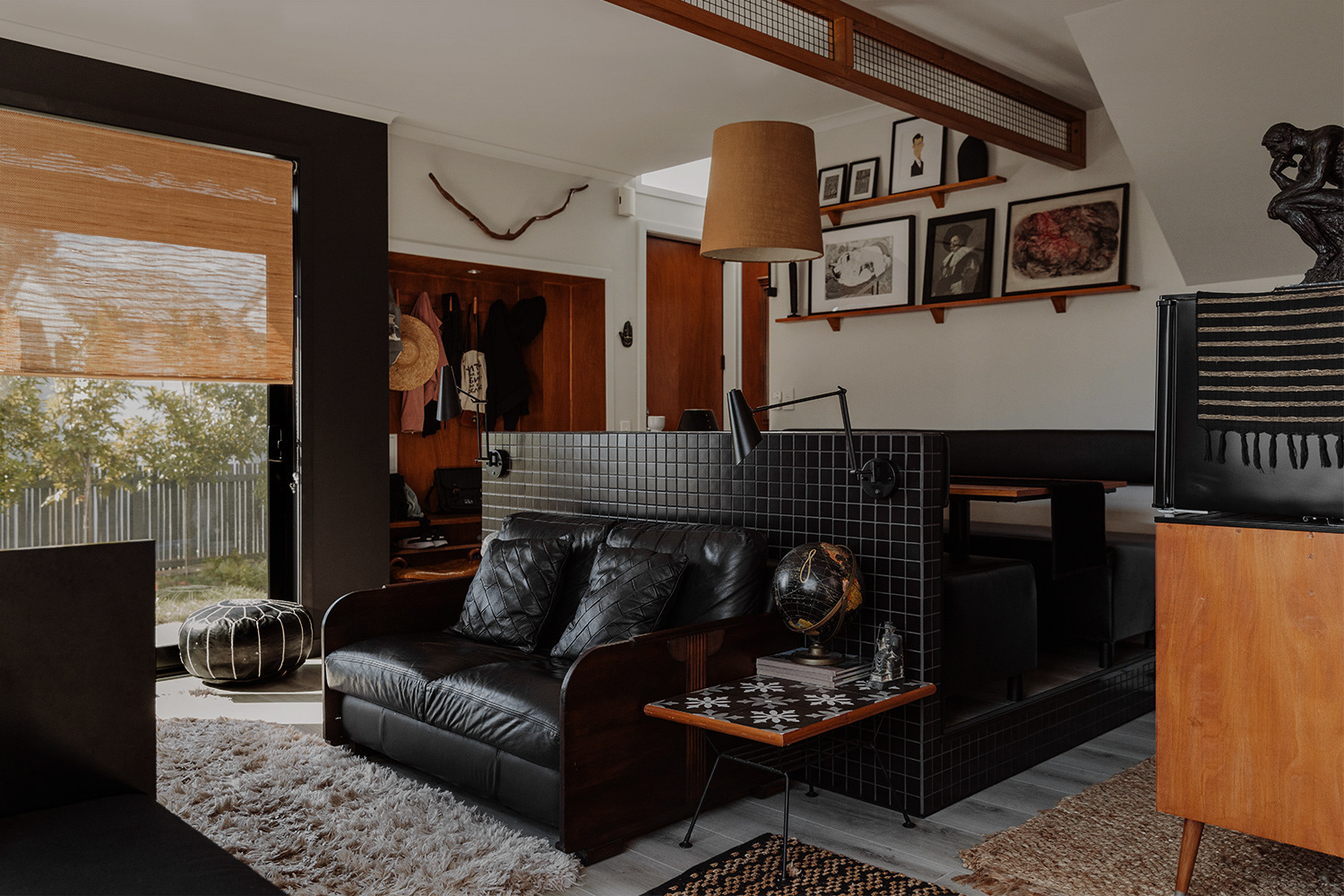
Each intervention adds both function and character. Built-ins replace loose furniture, dead space becomes storage, and open-plan areas are broken into purposeful zones. Drawing from commercial and hospitality spaces (where efficiency and intent are key) the approach brings that same thinking into a residential setting. Through practical solutions rather than major spend, the result is a home that feels considered, more liveable, and personal.
The following five principles form the foundation of this approach:
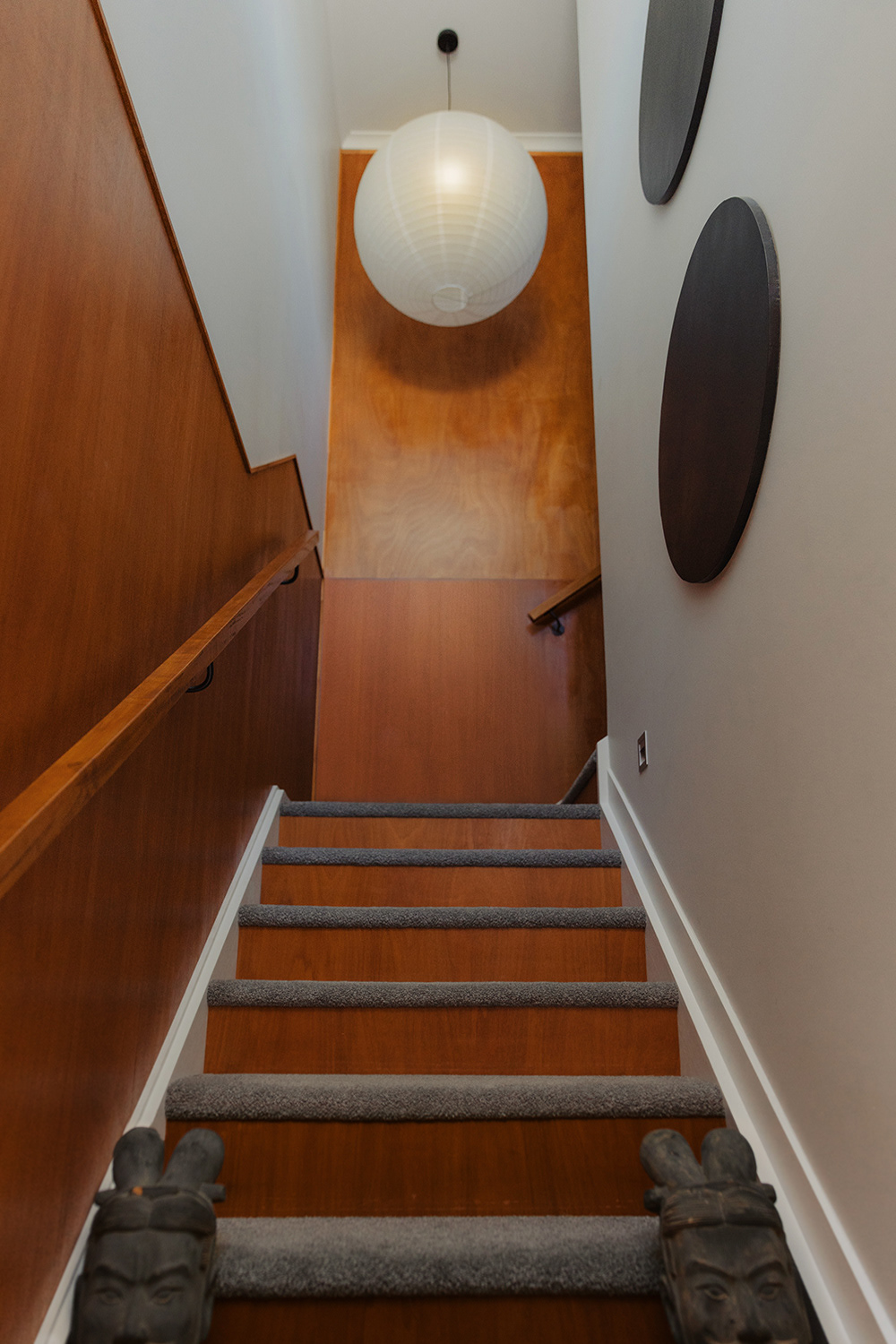
SET THE TONE: Break away from white-box neutrality immediately. Introduce warmth, contrast, and depth at the threshold.
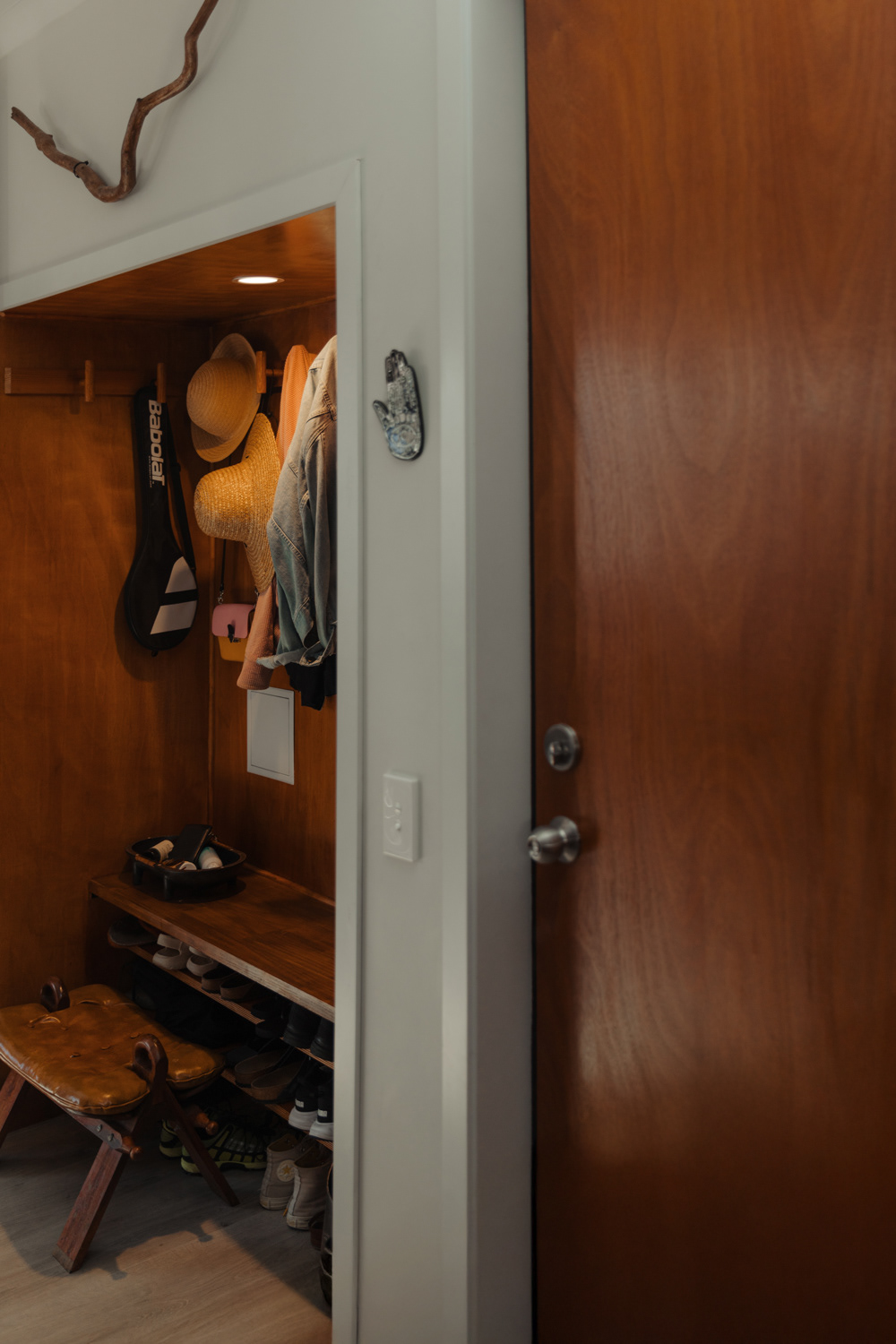
FUNCTION AT THE DOOR: Entrance should look as good as it declutters (shoes, coats, bags). A tidy arrival sets a calm state of mind.
CREATE A MOMENT: Give the entry a focal point, something that pauses you. It’s not just an entry: it’s a transition into the home.
FUNCTION AT THE DOOR: Entrance should look as good as it declutters (shoes, coats, bags). A tidy arrival sets a calm state of mind.
CREATE A MOMENT: Give the entry a focal point, something that pauses you. It’s not just an entry: it’s a transition into the home.
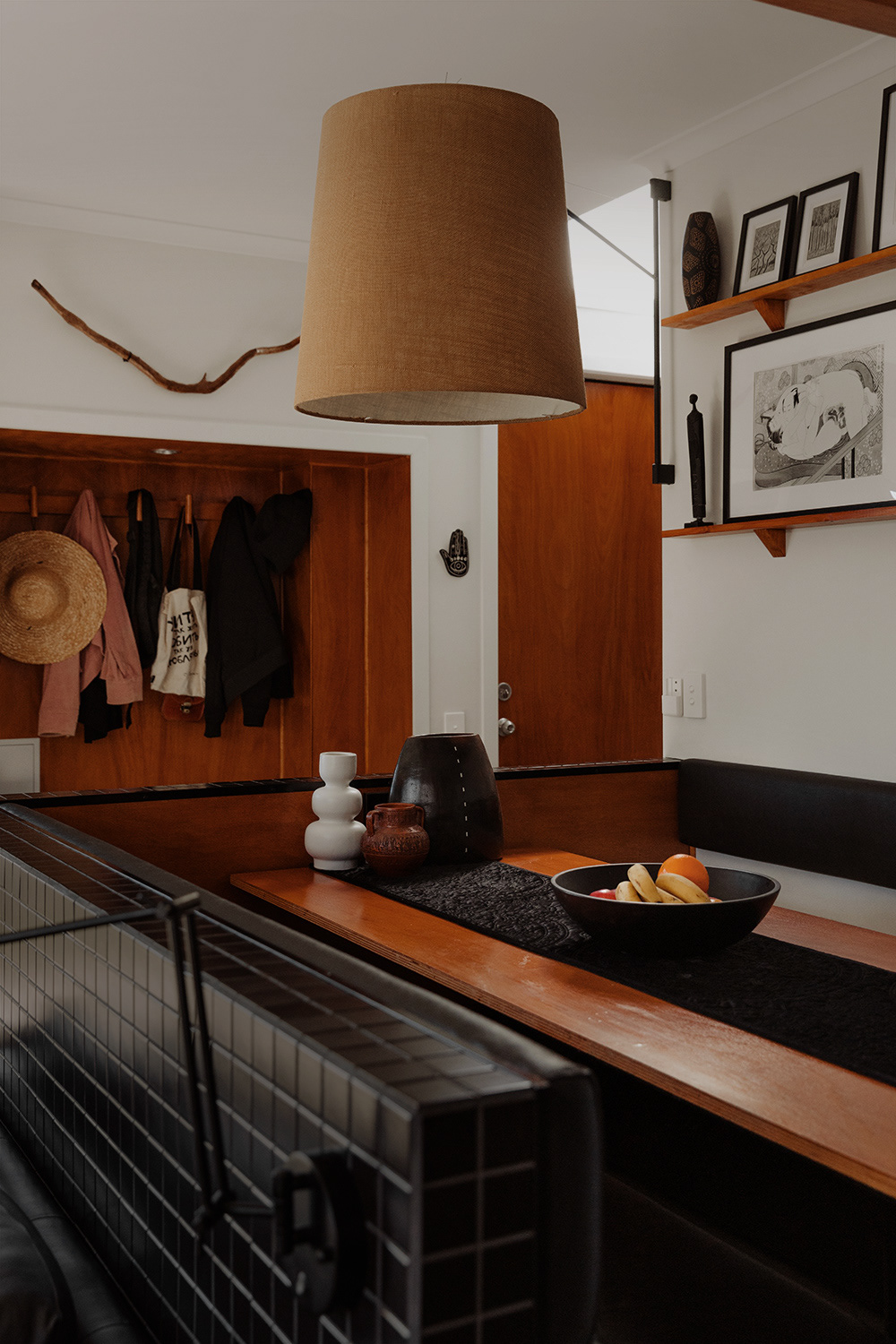
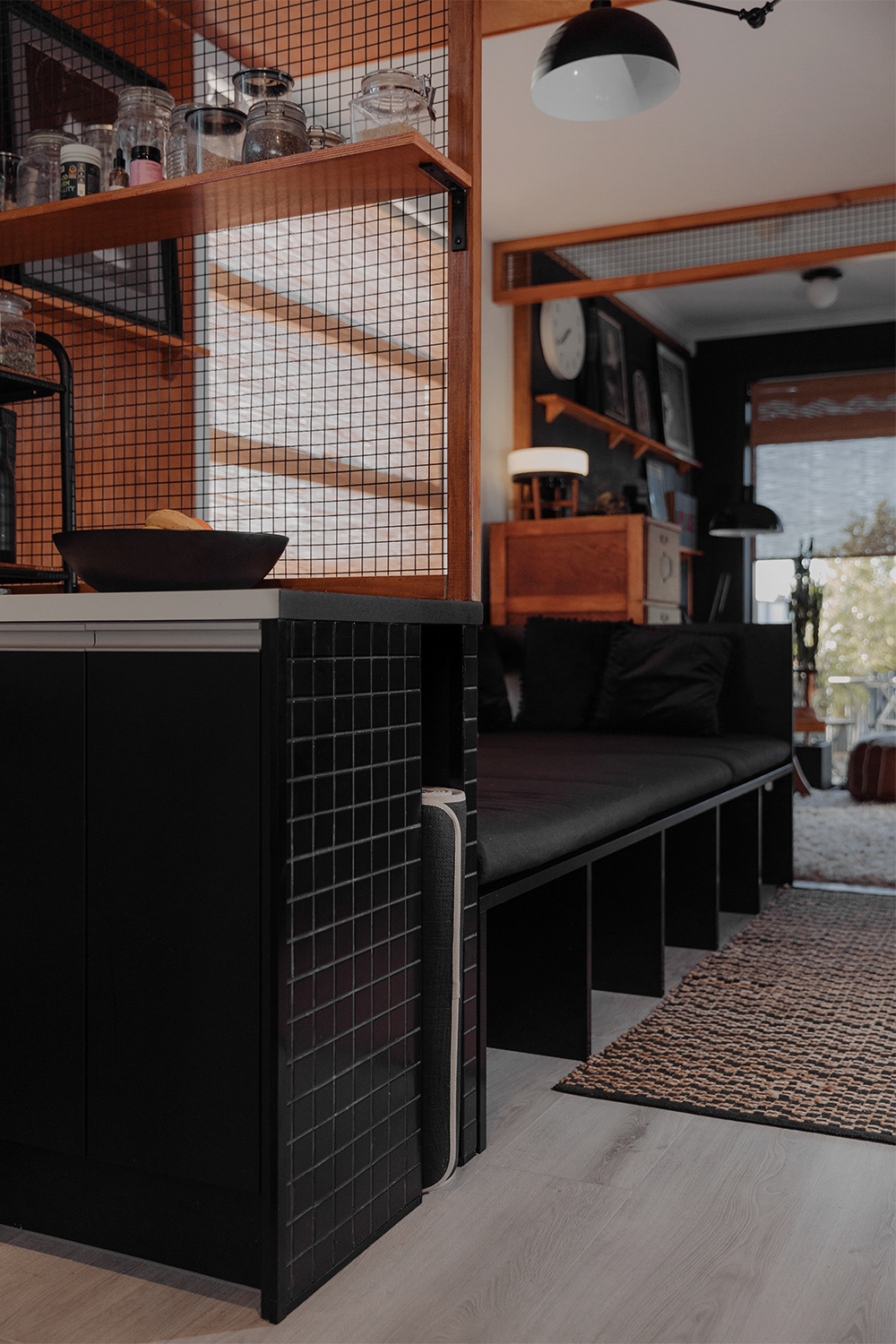
EMBED THE ESSENTIALS: Design key functions into the structure. A dining booth over loose chairs, a daybed over a sofa, etc.
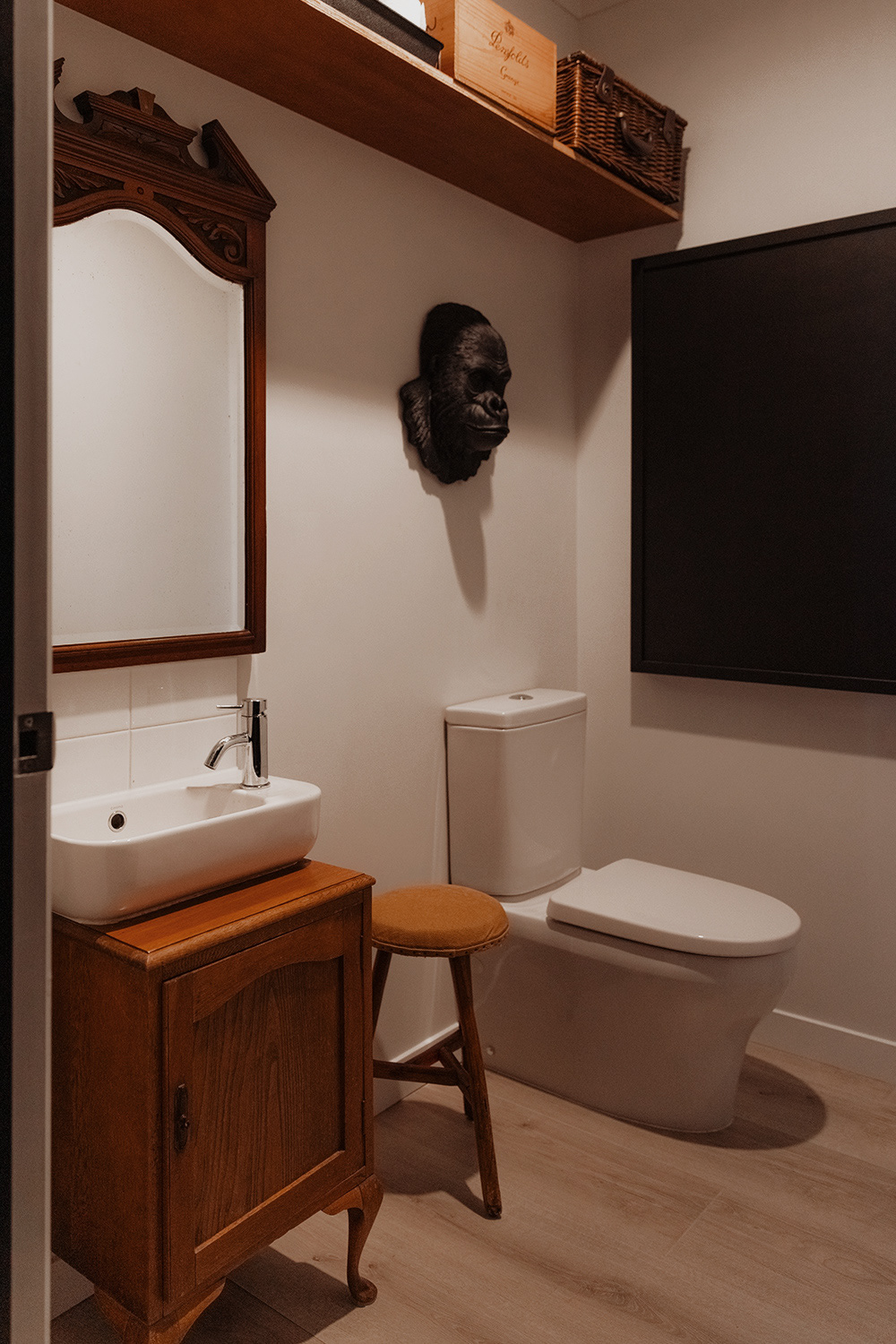
UTILISE DEAD SPACE: Turn overlooked areas into purposeful storage. Build where space already exists; above, below, within.
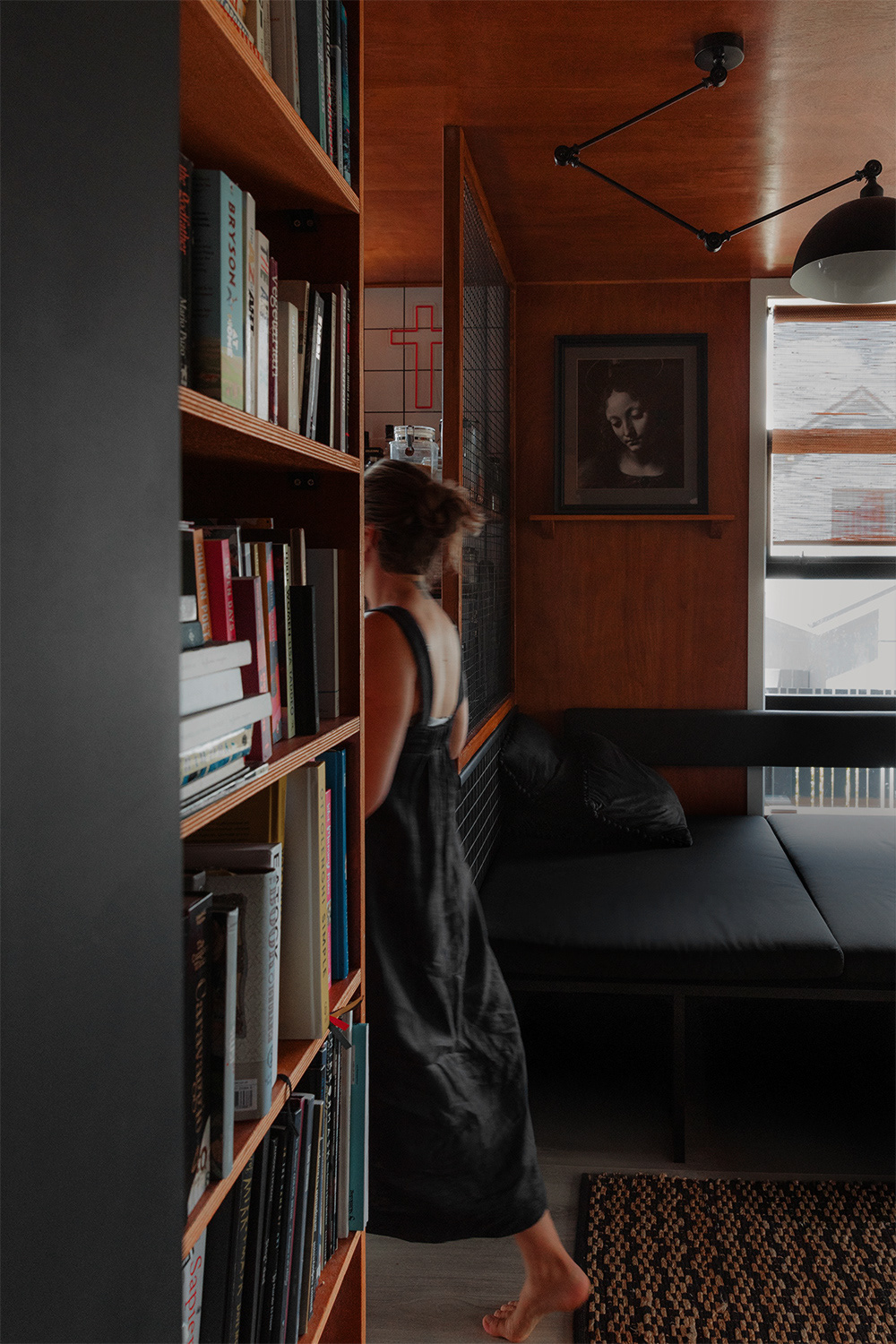
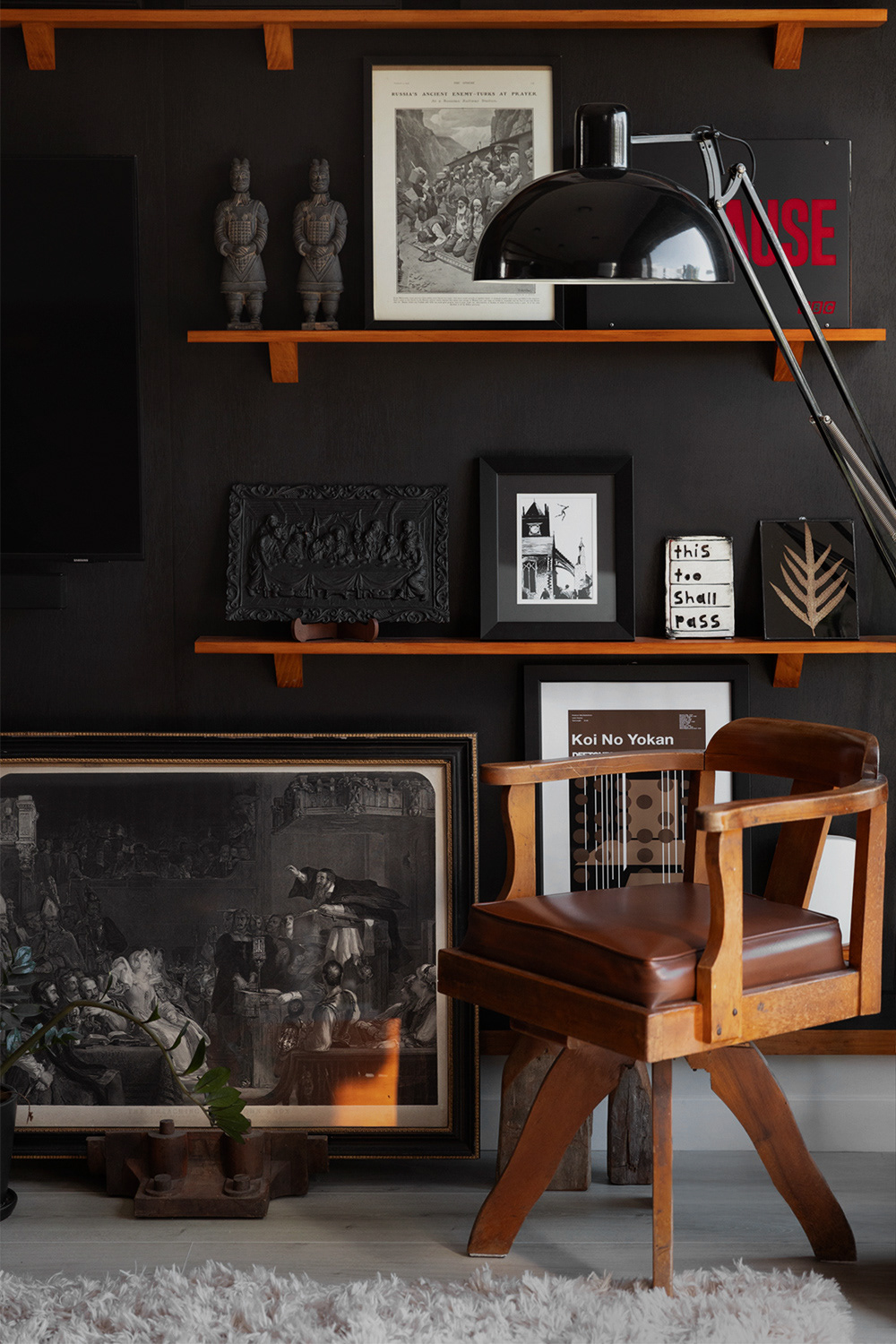
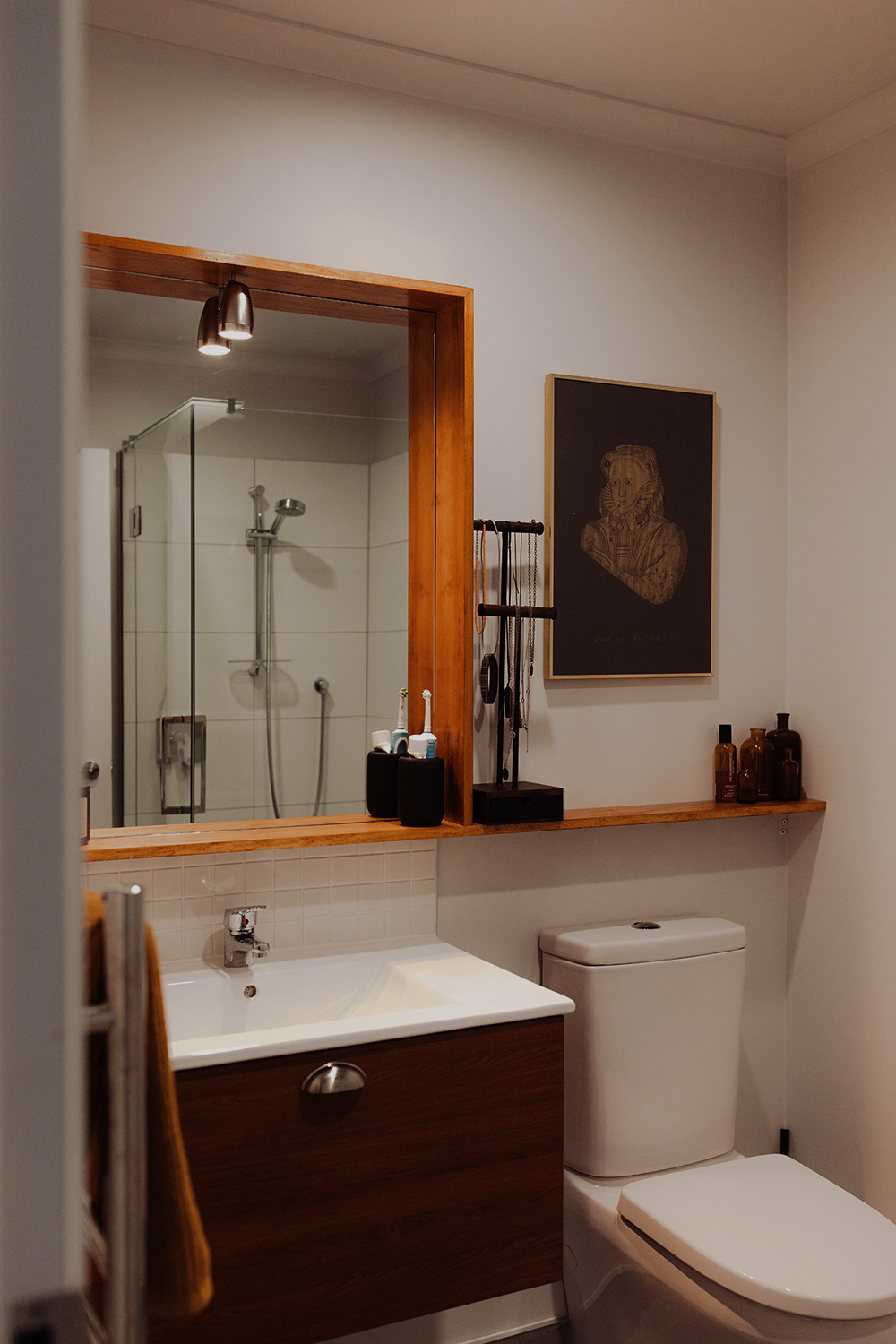
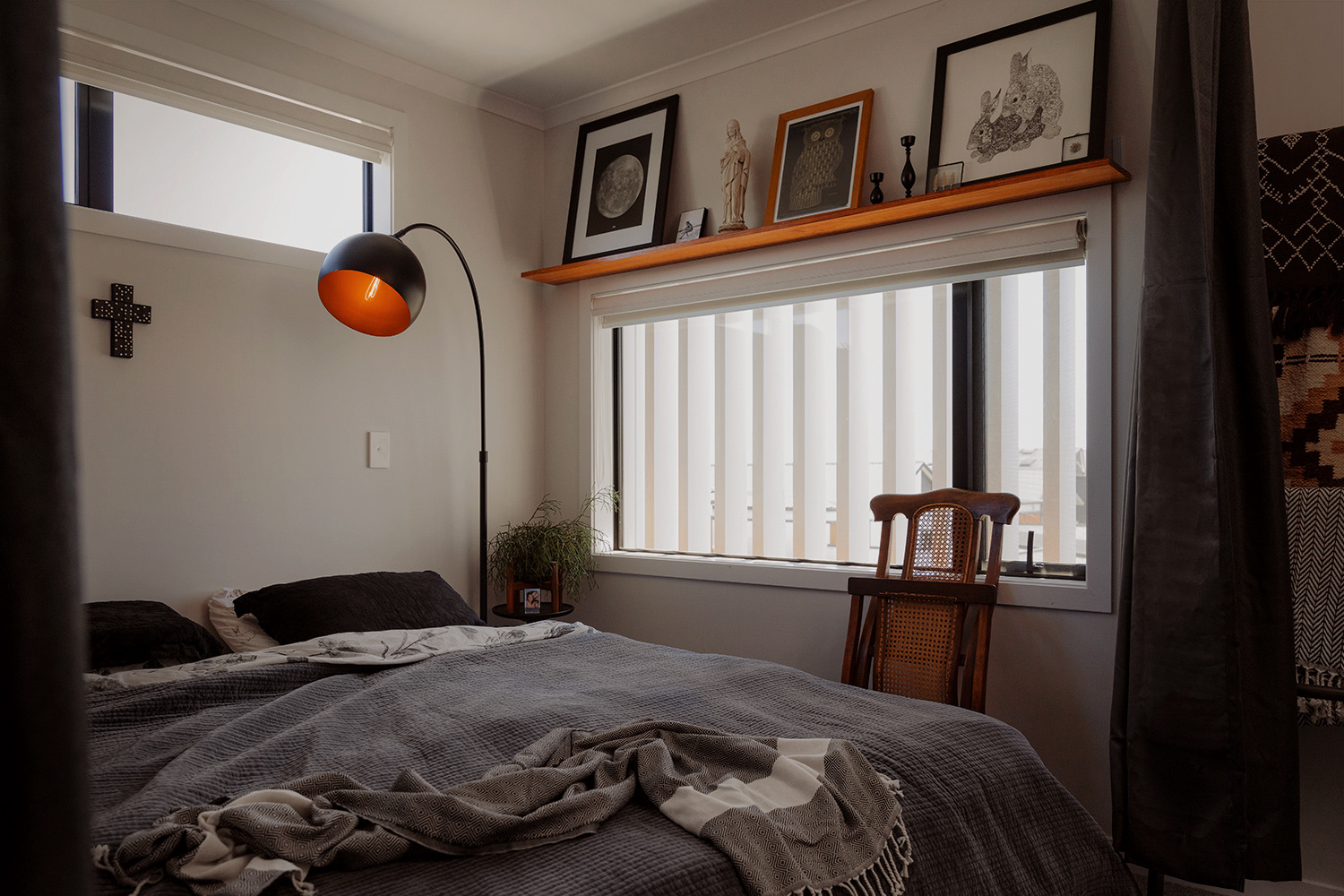
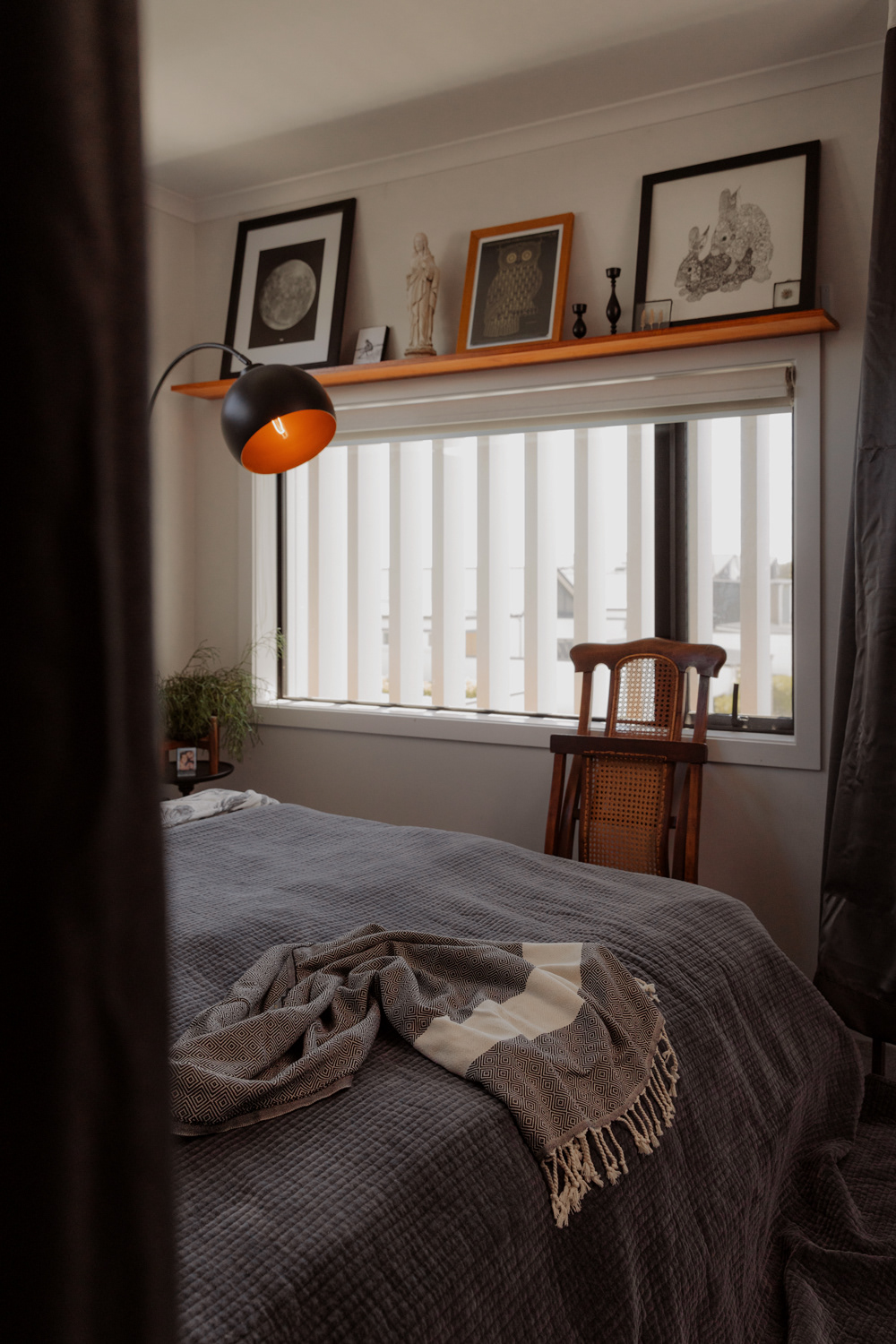
REPLACE APPLIED DECOR: Integrate display into the architecture. Shelving becomes part of the wall, not something added to it. Objects live within the space, integrated into the walls, not just nailed into it.
UTILISE DEAD SPACE: Turn overlooked areas into purposeful storage. Build where space already exists; above, below, within.
REPLACE APPLIED DECOR: Integrate display into the architecture. Shelving becomes part of the wall, not something added to it. Objects live within the space, integrated into the walls, not just nailed into it.
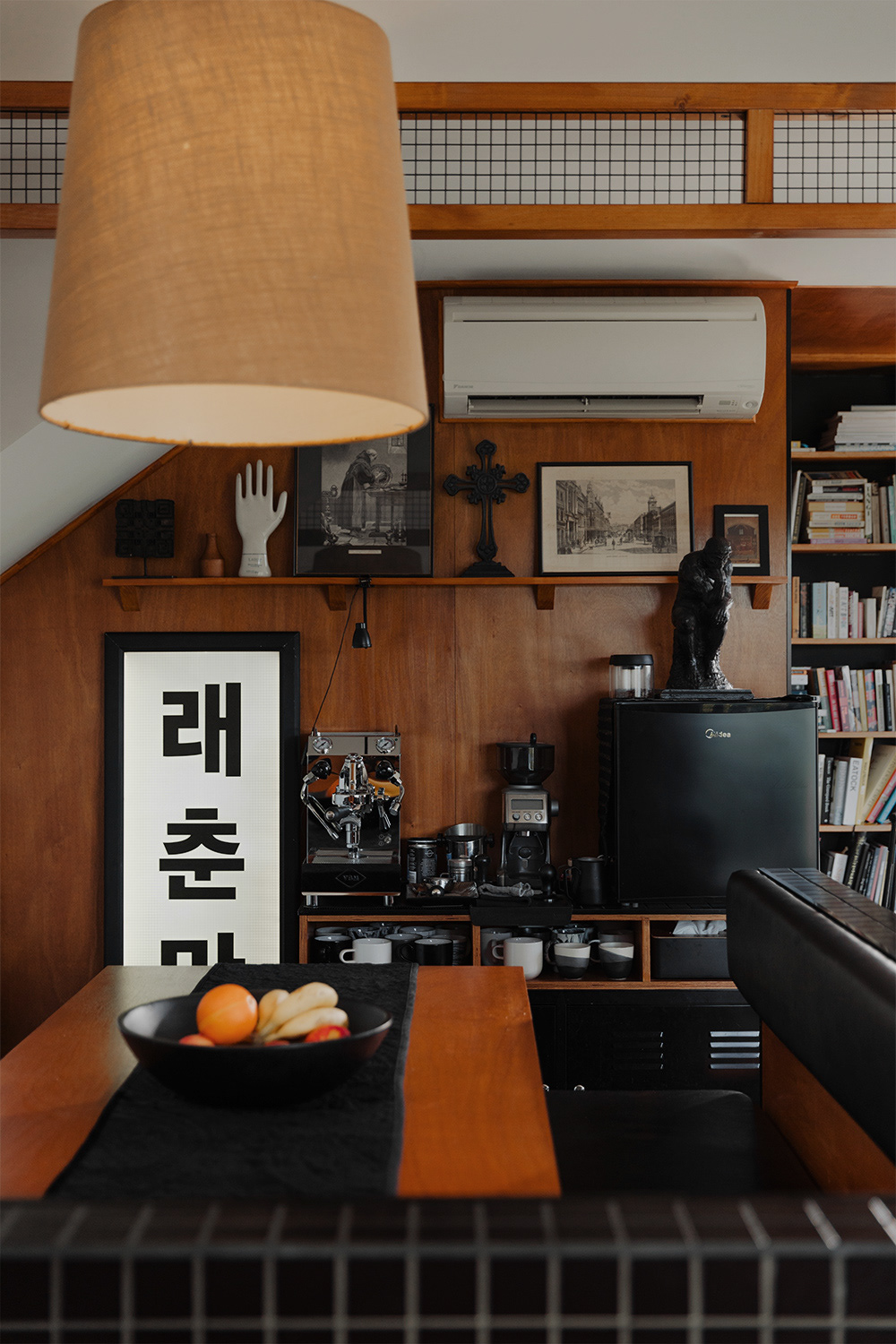
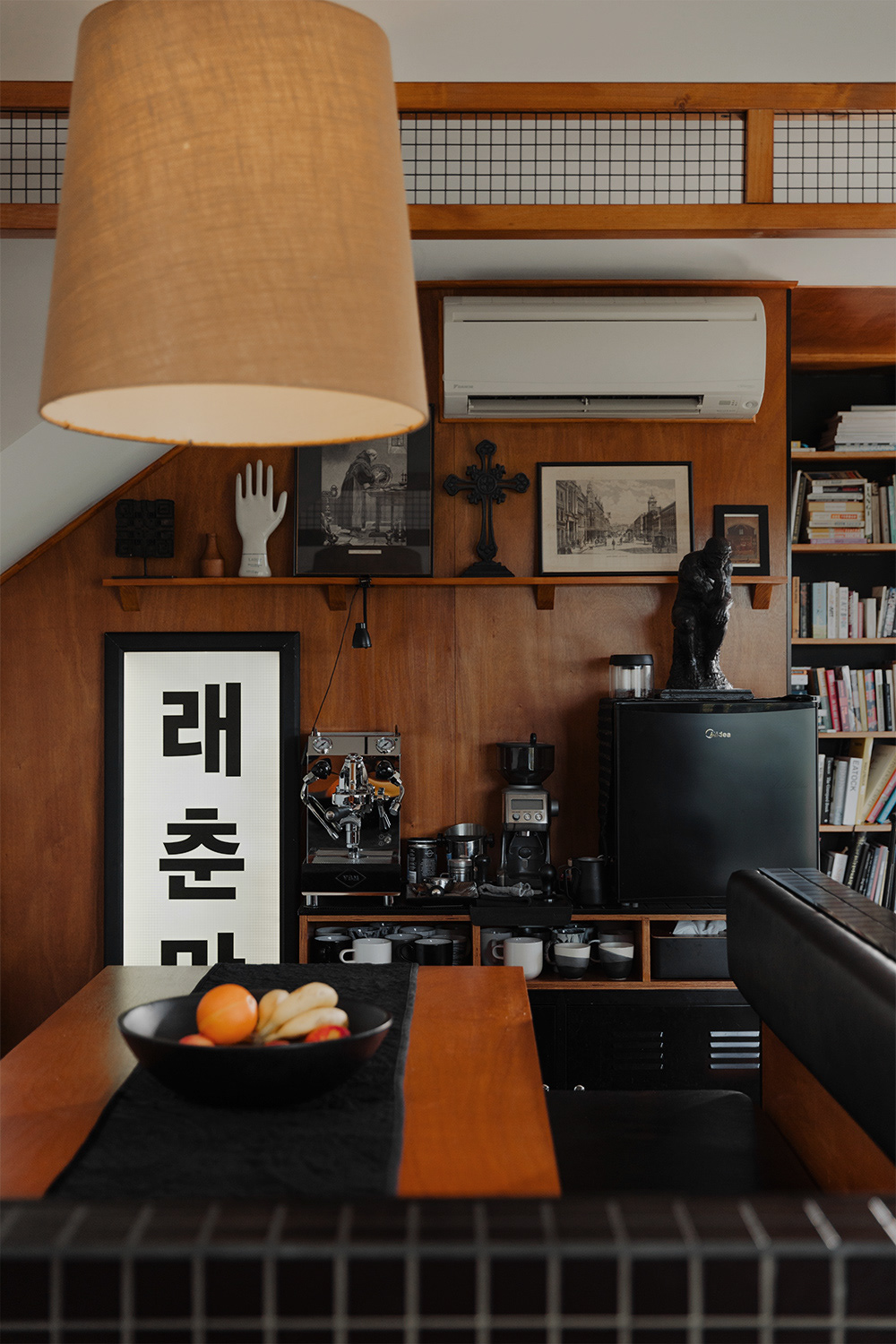
ASSIGN FUNCTION: Design each area around a specific use. A coffee ritual deserves its own station. Function defines the space.
SUPPORT BEHAVIOUR: Spaces should invite how you live (dining, resting, working, etc). Design encourages use, not just occupancy.
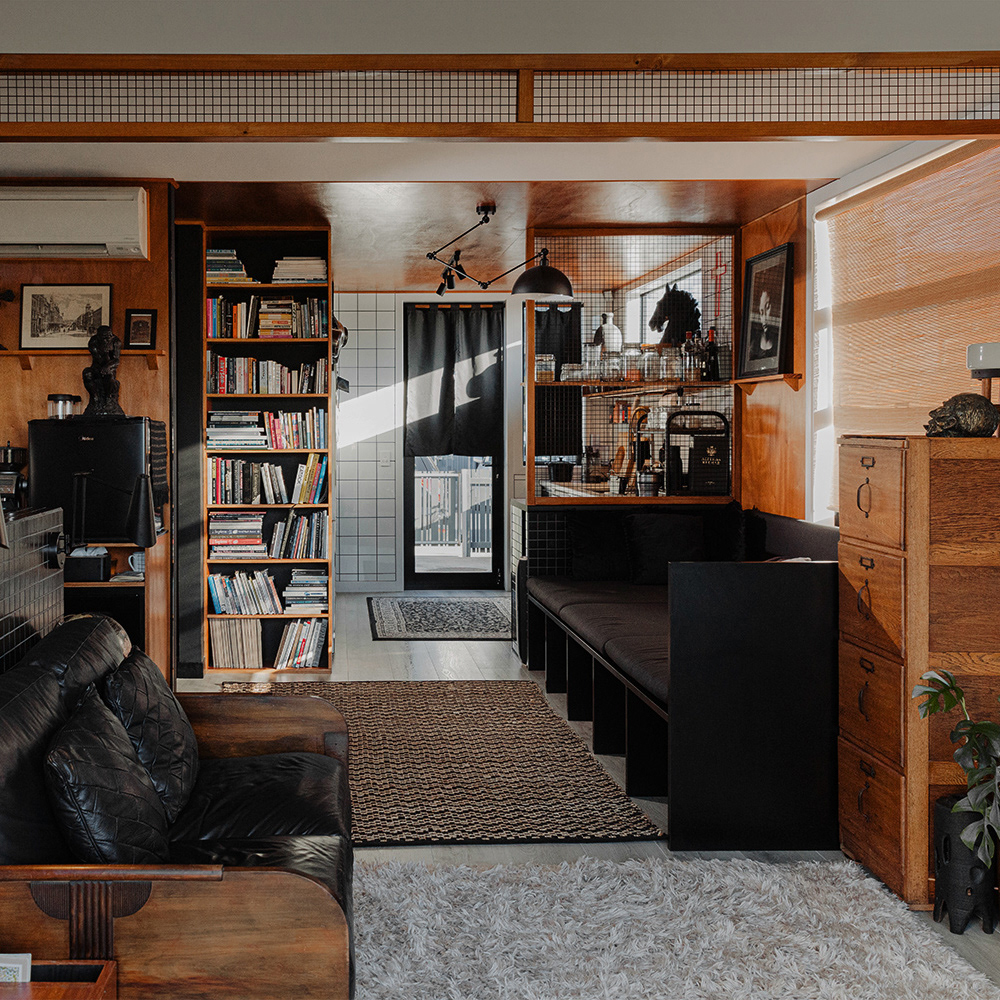
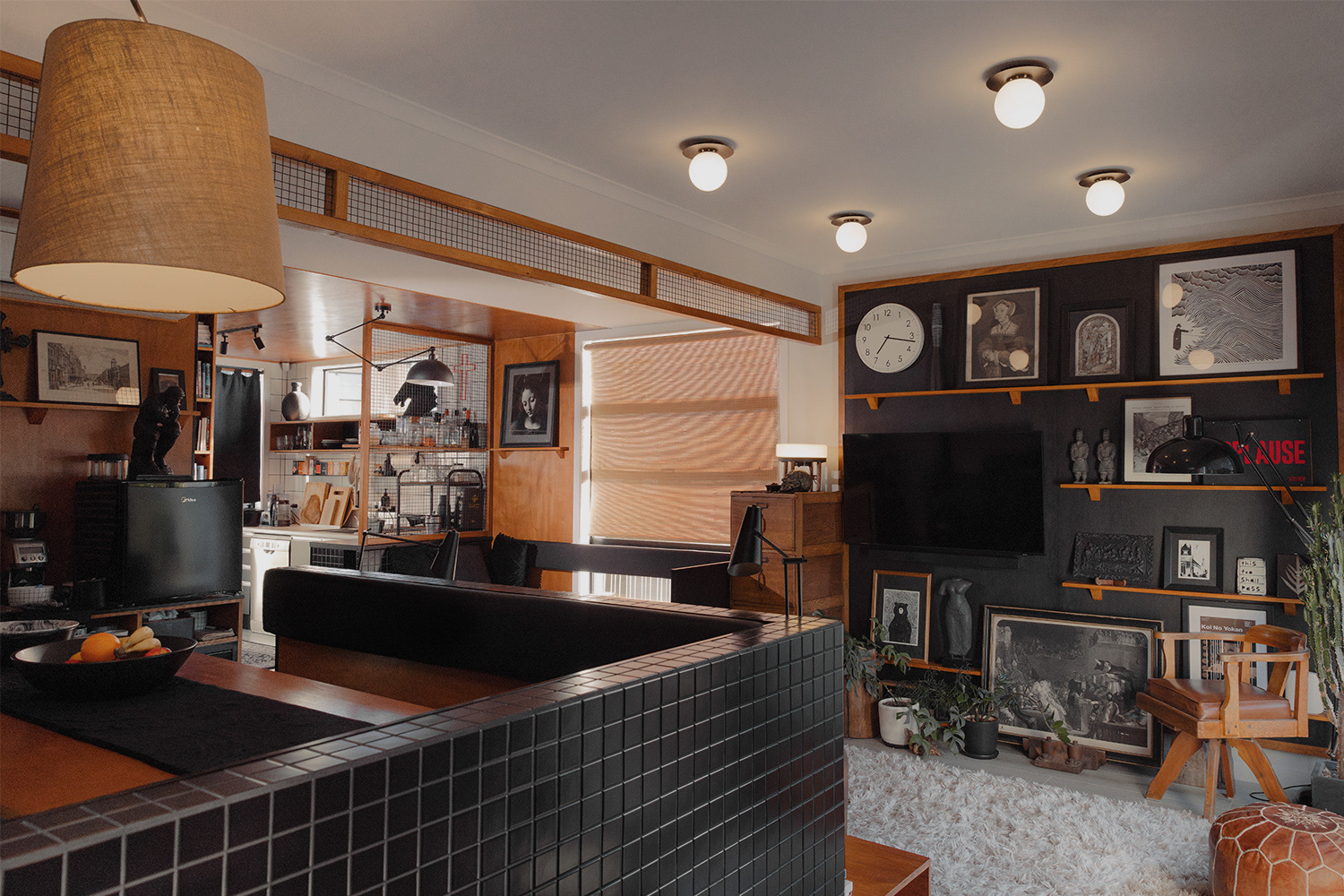
DIVIDE TO MULTIPLY: Compartmentalising - even in small spaces - adds value. Defined zones increase usability, functionality, and cosiness. One open-space living area becomes many experiences.
SUPPORT BEHAVIOUR: Spaces should invite how you live (dining, resting, working, etc). Design encourages use, not just occupancy.
DIVIDE TO MULTIPLY: Compartmentalising - even in small spaces - adds value. Defined zones increase usability, functionality, and cosiness. One open-space living area becomes many experiences.
SHAPE ENCLOSURE: Dividers and curtains to contain space. Even light and shadow can fragment a large space. Break openness into smaller, more comfortable moments. Defined areas create a sense of comfort and retreat.
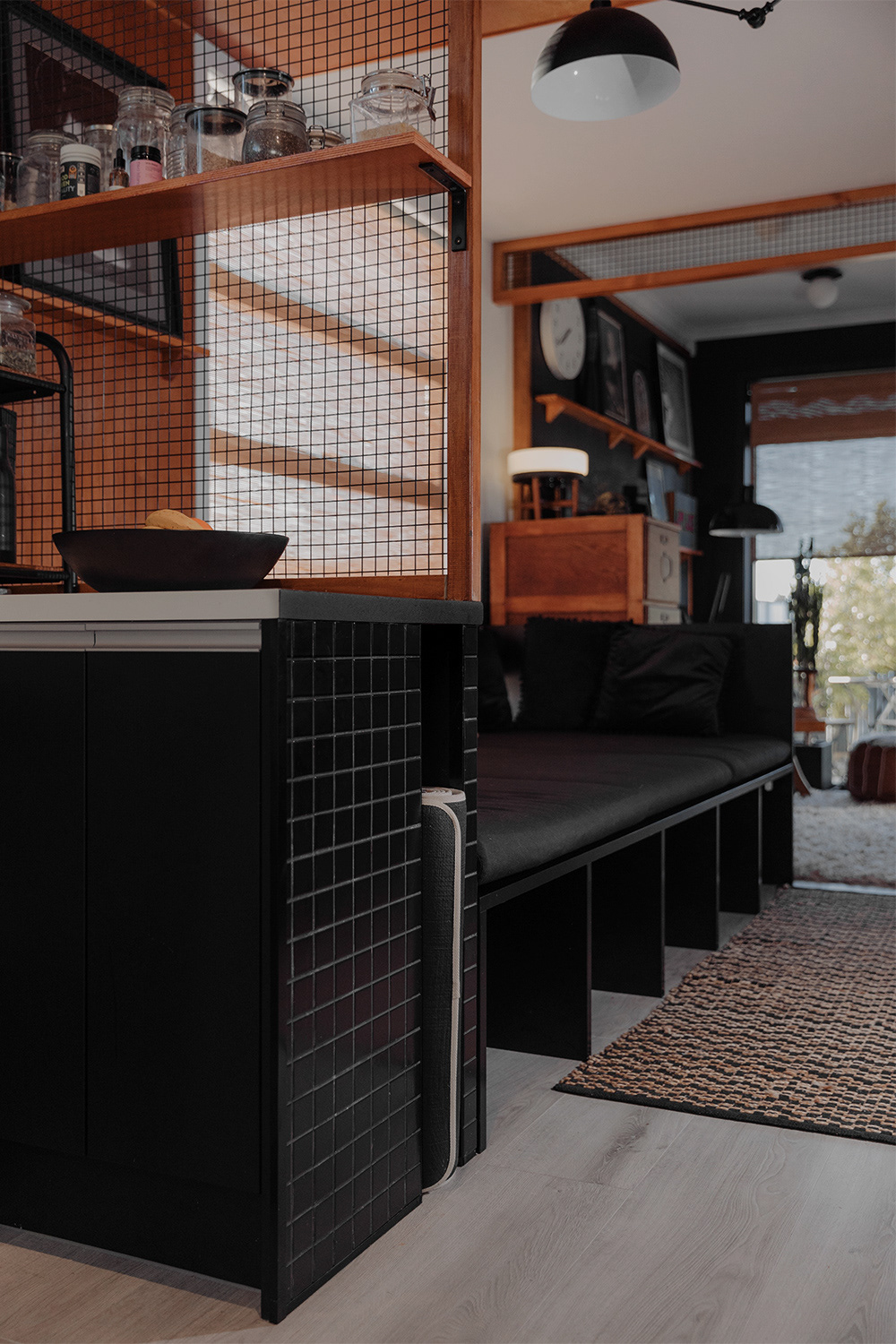
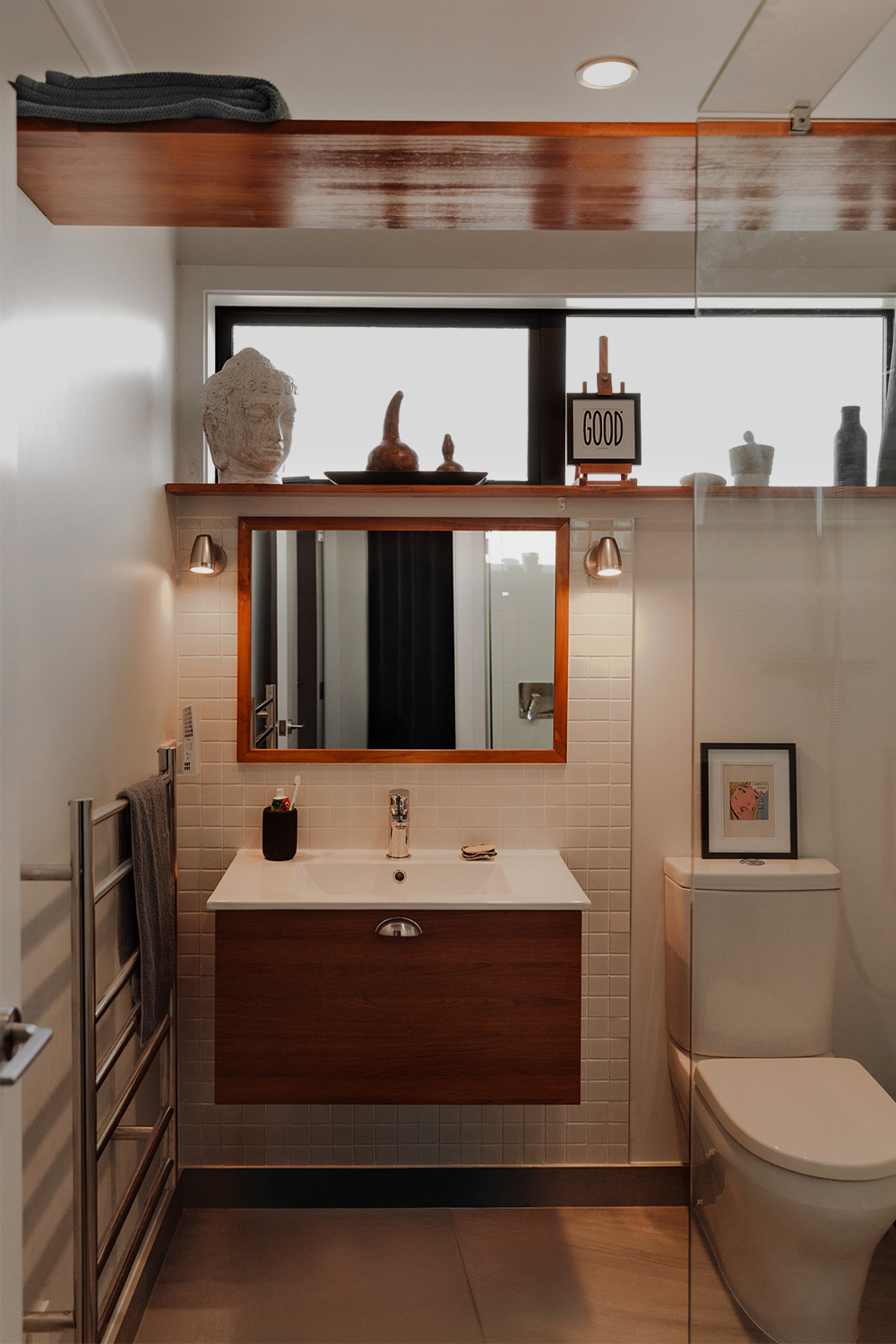
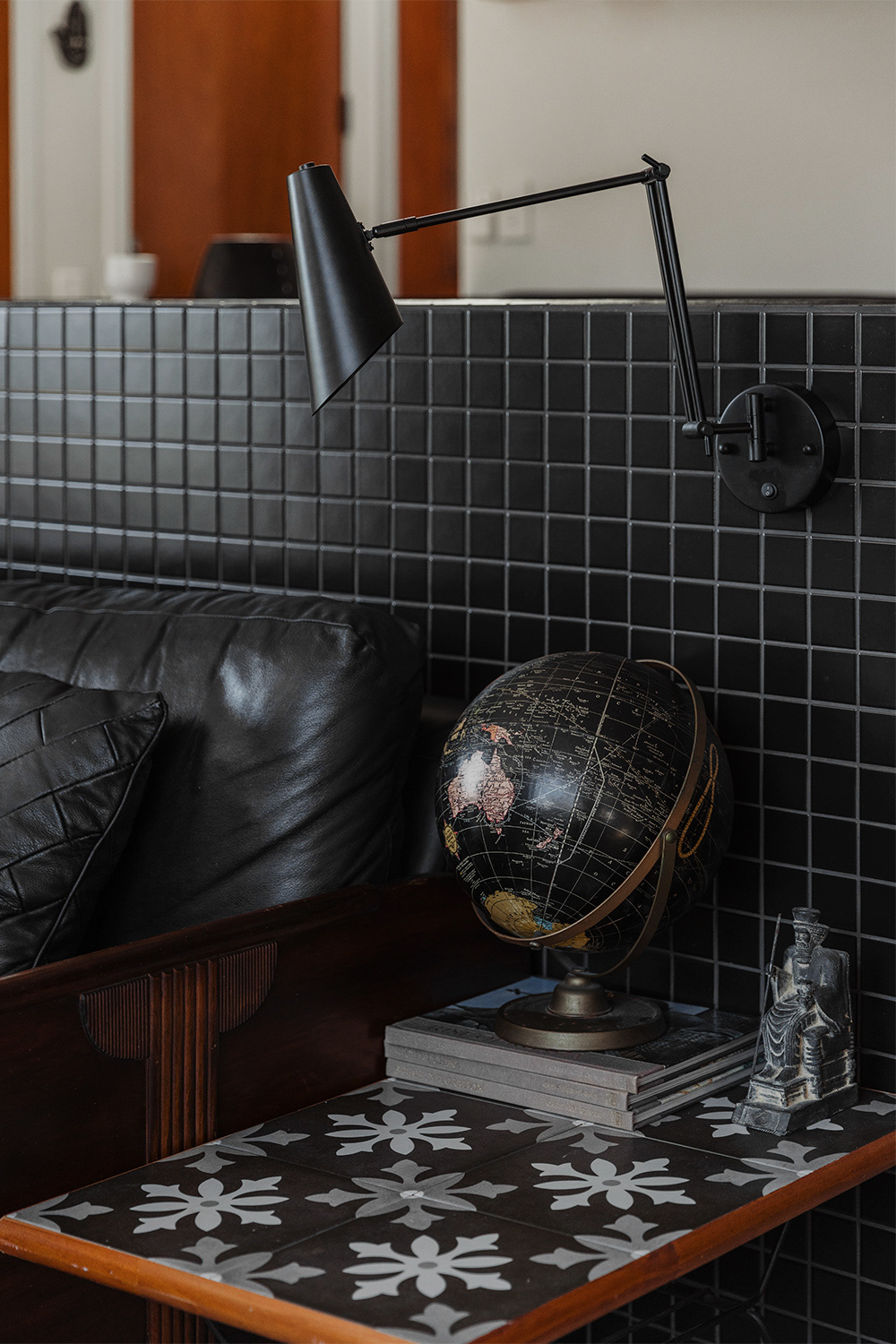
COLOUR AND MATERIAL: Darker tones (especially black) add depth and calm. Timber and natural surfaces bring warmth and tactility.
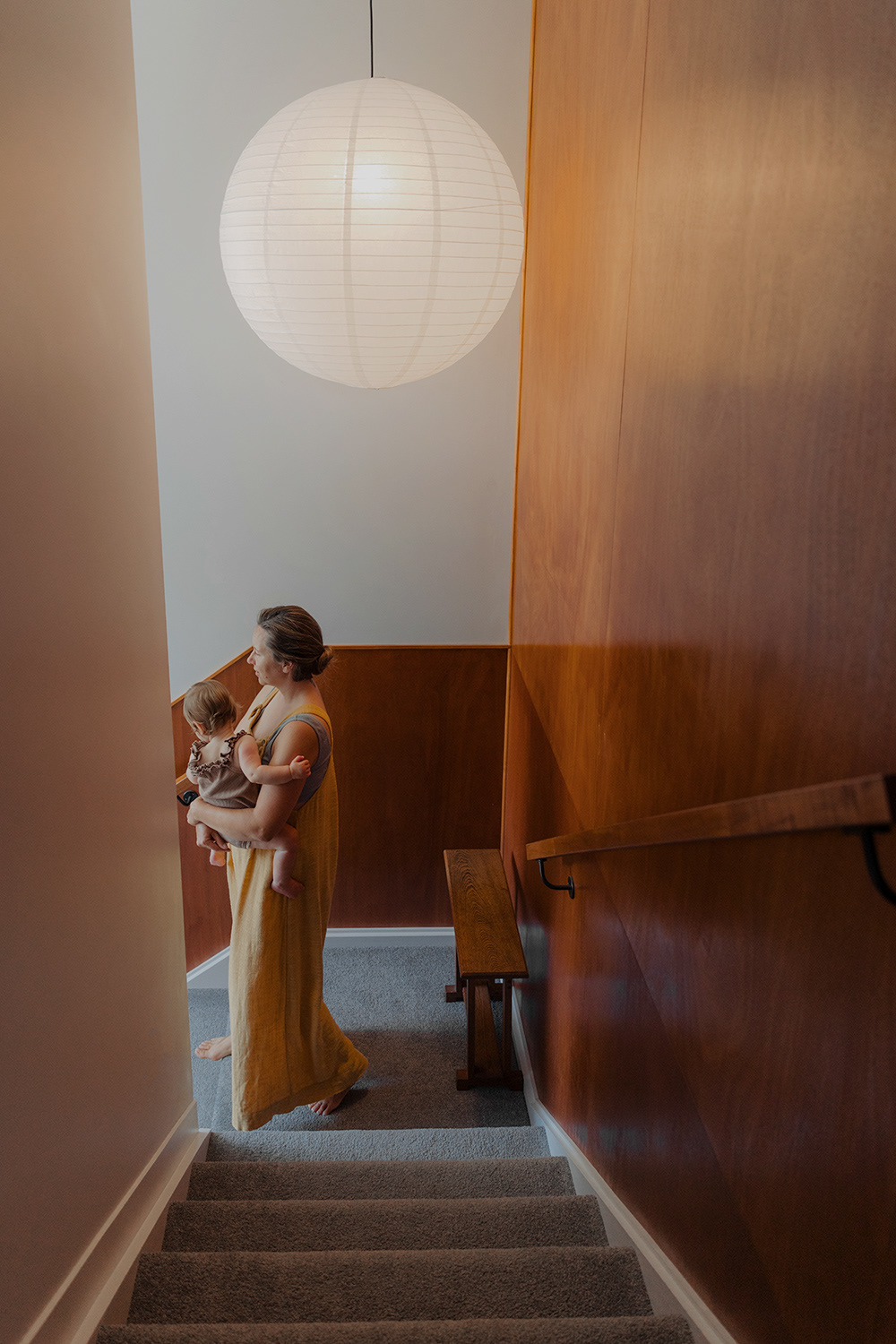
LIGHT AT HUMAN LEVEL: Lamps and lampshades are better than ceiling lights. Filter light through screens and curtains.
COLOUR AND MATERIAL: Darker tones (especially black) add depth and calm. Timber and natural surfaces bring warmth and tactility.
LIGHT AT HUMAN LEVEL: Lamps and lampshades are better than ceiling lights. Filter light through screens and curtains.
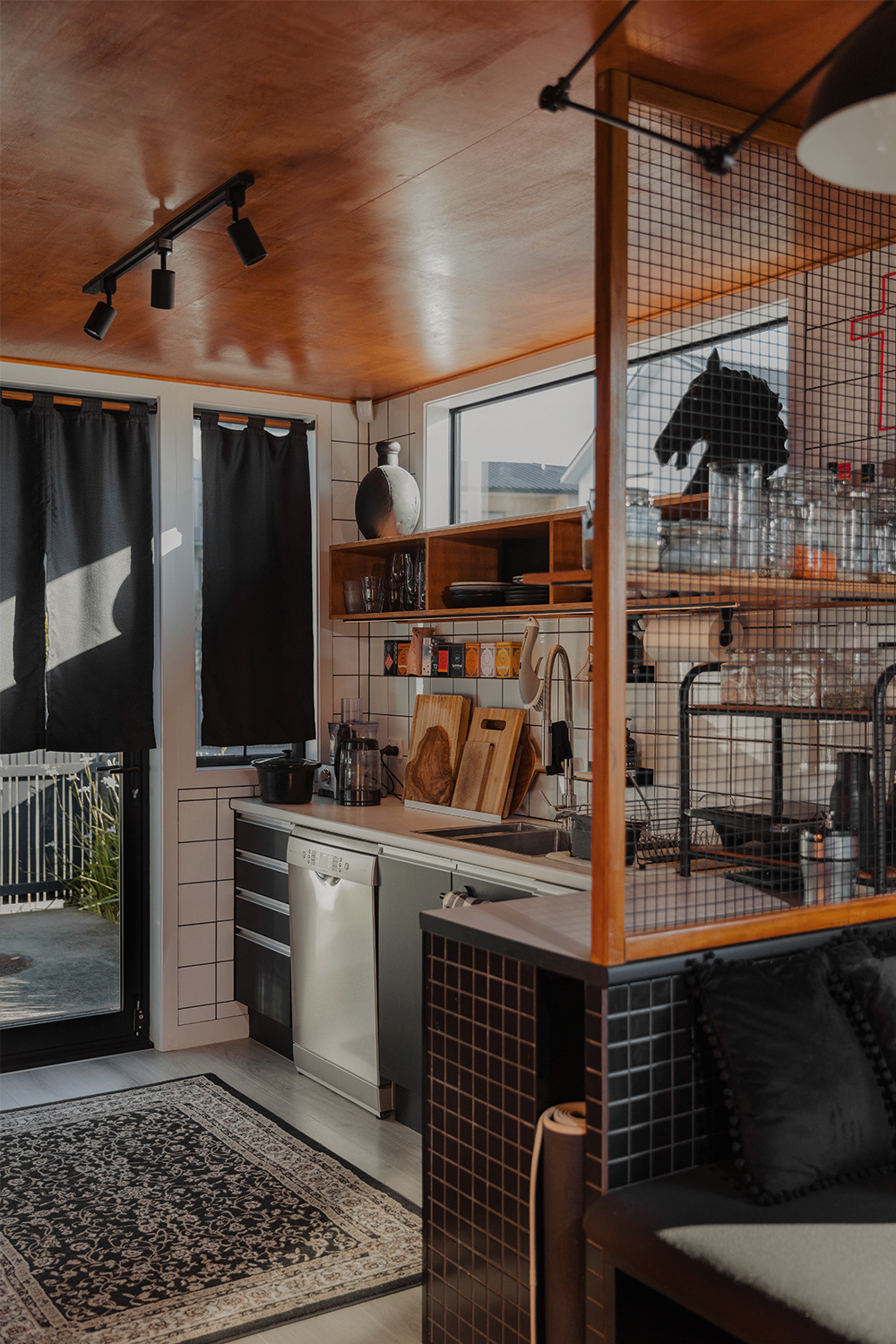
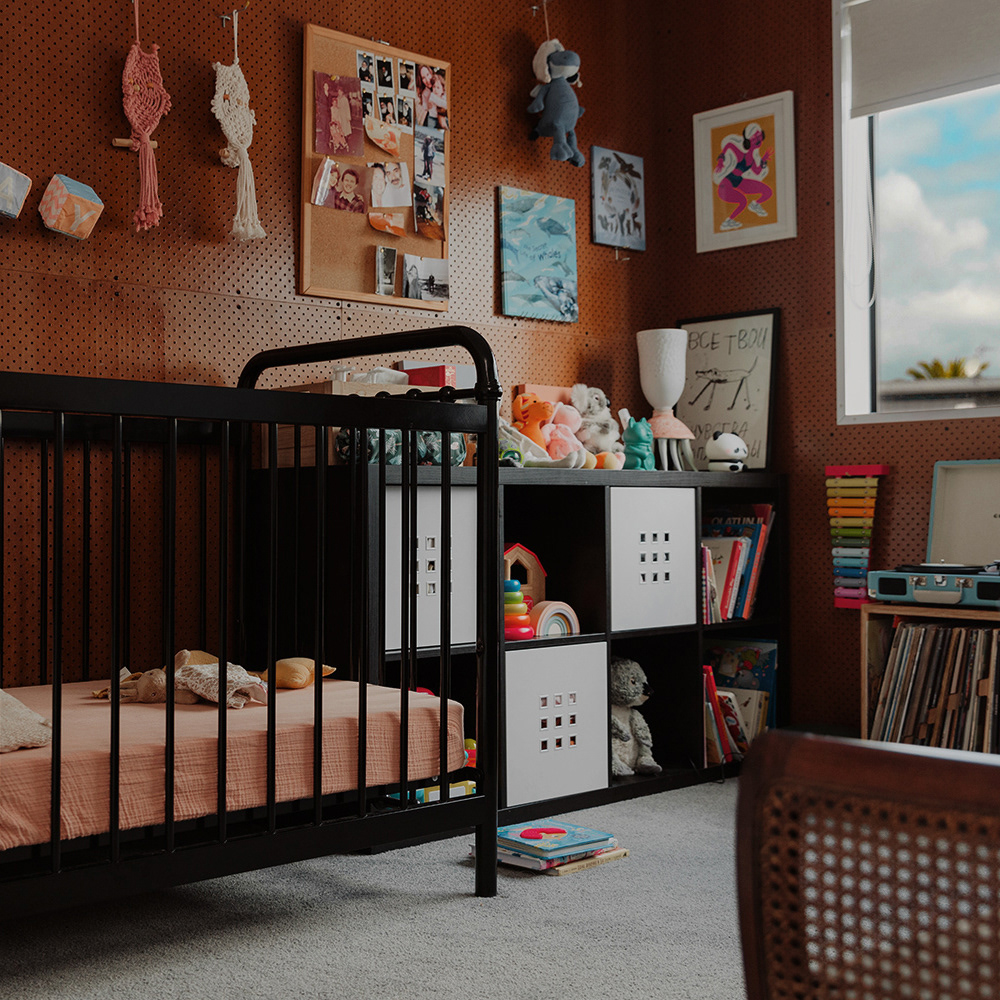
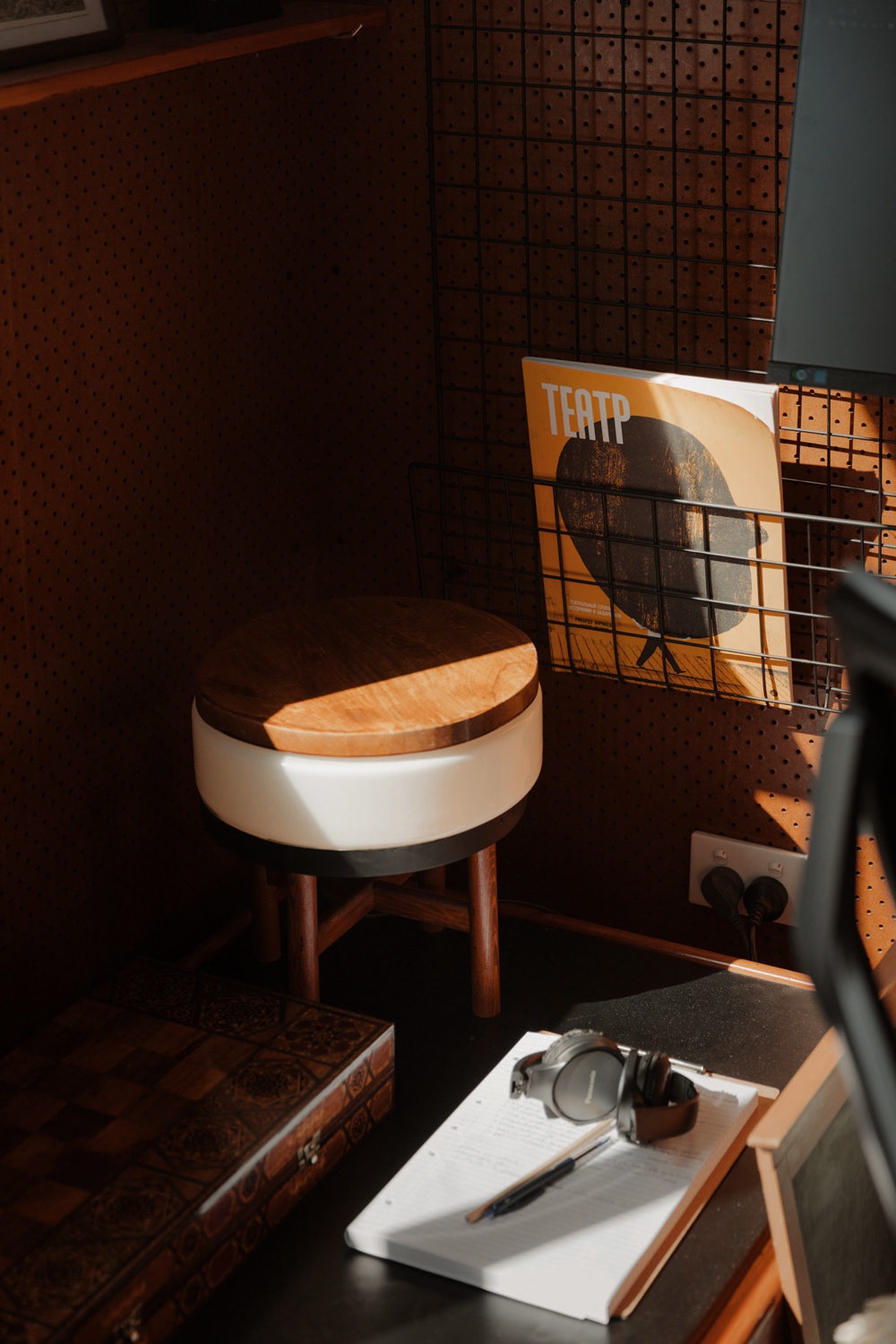
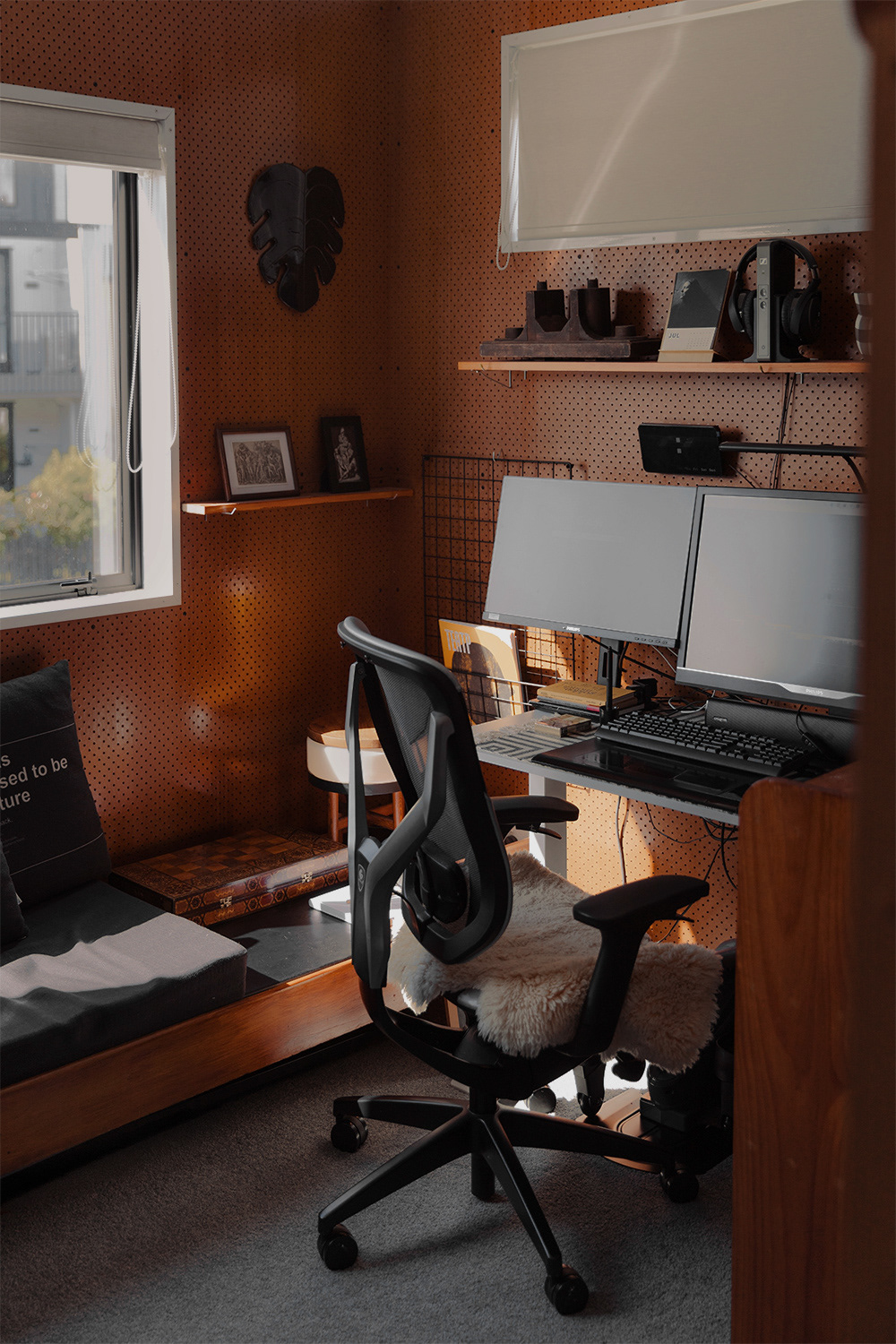
EXPOSE THE PRACTICAL: Functional elements (ex workshop pegboard walls) become visual features. What is useful can be beautiful.
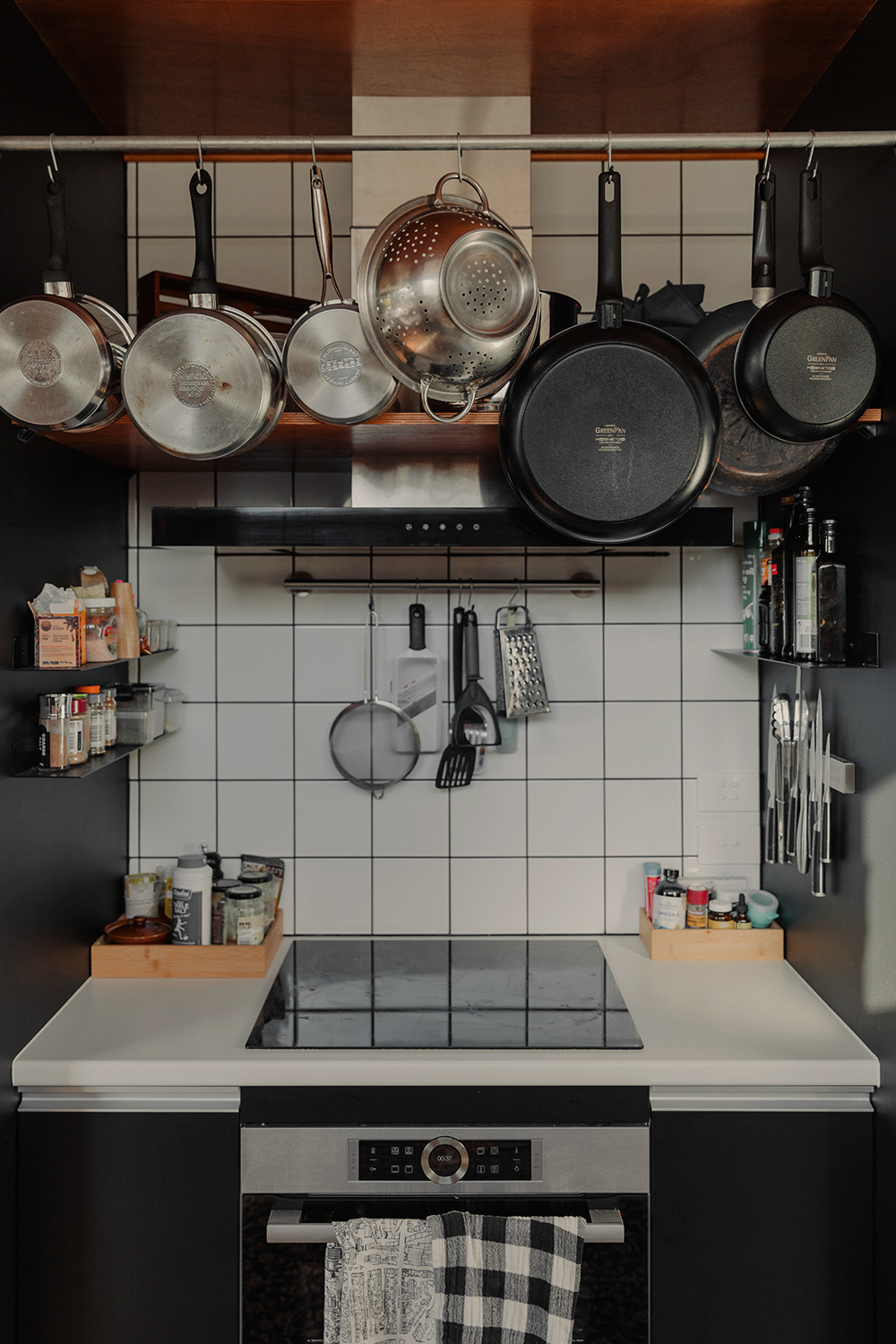
DESIGN FOR ACCESS: Everything is within reach. Doorless kitchen cupboards, hanging pans and utensils become part of the space.
DISPLAY THROUGH USE: Storage and display work together. Shelving holds both daily essentials and collected objects.
DESIGN FOR ACCESS: Everything is within reach. Doorless kitchen cupboards, hanging pans and utensils become part of the space.
DISPLAY THROUGH USE: Storage and display work together. Shelving holds both daily essentials and collected objects.
This approach is most suited to:
Couples and young families in compact homes: Townhouse living often comes with limited space, growing needs, and daily clutter, gear for hobbies, work, or kids. This approach focuses on integrating storage, improving flow, and making better use of every square metre, so the home feels organised, efficient, and easier to live in.
Downsizers who still value character: Moving to a smaller home shouldn’t mean compromising. This approach maintains a sense of style and presence by creating spaces that are inviting to live in and suitable for entertaining, all while embracing the cosiness and simplicity of a more streamlined footprint. This is not luxury styling. It’s about making everyday homes more liveable, more considered, and more personal.